Postnatal Pilates for Diastasis Recti: Rebuild Your Core Health
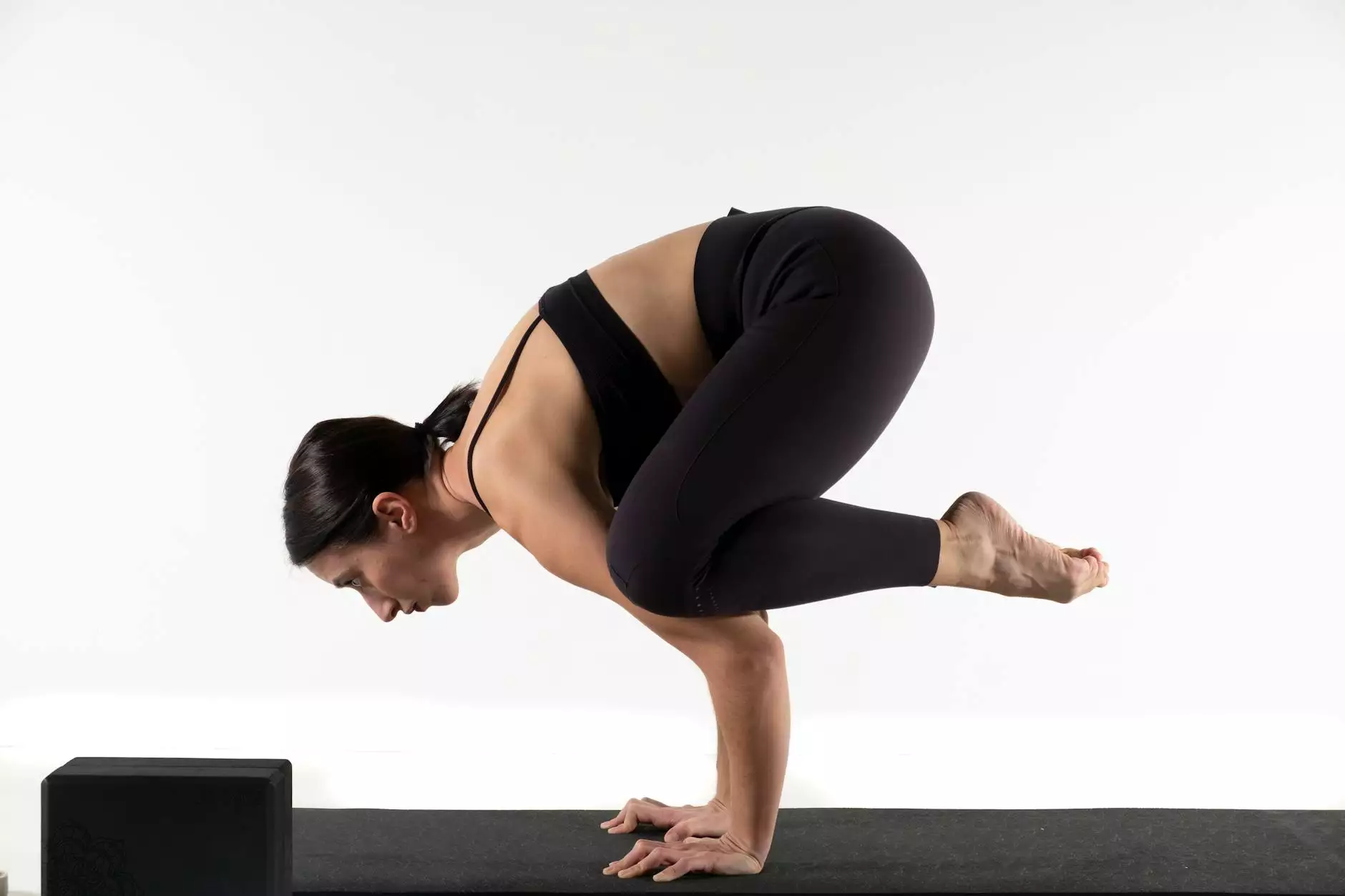
Postnatal Pilates has gained significant attention in recent years as a powerful tool for recovery and rehabilitation after childbirth. One of the common concerns for many new mothers is diastasis recti, a condition where the abdominal muscles separate during pregnancy. This article delves into how postnatal Pilates can effectively aid in the recovery of diastasis recti, guide you through the recovery process, and ultimately empower you in your fitness journey.
Understanding Diastasis Recti
Diastasis recti is characterized by the separation of the rectus abdominis muscles. This condition is prevalent among new mothers, particularly during and after the later stages of pregnancy. Understanding this condition is crucial to address it effectively.
- Causes: The expanding uterus stretches the abdominal muscles and their connective tissue, leading to a separation.
- Symptoms: These may include a protruding belly, lower back pain, and difficulty with core strength.
- Assessment: It's important to consult with a healthcare professional to evaluate the severity of diastasis recti, often assessed through a simple physical examination.
The Role of Pilates in Postnatal Recovery
Pilates is a low-impact exercise regimen focused on core strength, flexibility, and overall body awareness. For postnatal women, it offers several benefits:
- Core Strengthening: Pilates emphasizes core engagement, which is vital for closing the gap in diastasis recti.
- Improved Posture: The exercises promote better alignment, alleviating pain commonly associated with postpartum body changes.
- Body Awareness: Pilates increases awareness of body mechanics, helping mothers navigate their postnatal bodies effectively.
Specific Exercises for Diastasis Recti
When performing postnatal Pilates, certain exercises can specifically target diastasis recti. Here are some recommended exercises:
1. Pelvic Tilts
The pelvic tilt is a fundamental exercise that can be done on the floor:
- Lie on your back with your knees bent and feet flat on the ground.
- Inhale to prepare, then exhale and gently tilt your pelvis upward, pressing your lower back into the mat.
- Hold for a few seconds and return to the starting position.
2. Transverse Abdominis Activation
This exercise helps engage the deep abdominal muscles:
- Get into a comfortable seated position, spine straight.
- Inhale deeply, then exhale slowly while gently pulling your belly button toward your spine.
- Hold for several breaths before relaxing.
3. Modified Plank
This is an effective way to build core strength without excessive straining:
- Start on your hands and knees. Ensure your wrists and shoulders are aligned.
- Engage your core as you lift your knees off the ground, keeping a straight line from your head to your knees.
- Hold this position for a few deep breaths before releasing.
Creating a Postnatal Pilates Routine
Establishing a regular routine is essential for maximizing the benefits of postnatal Pilates, especially for addressing diastasis recti. Here are some tips to help you create an effective routine:
- Consult a Professional: Work with a certified Pilates instructor who specializes in postnatal recovery to create a personalized program.
- Start Slowly: Begin with gentle movements and gradually increase intensity as you build strength and confidence.
- Focus on Alignment: Pay attention to your body’s alignment during workouts to avoid further complications.
- Consistency is Key: Aim for at least 2-3 sessions per week, gradually increasing as you become more comfortable with the exercises.
Additional Benefits of Postnatal Pilates
Beyond the direct correlation between postnatal Pilates and diastasis recti recovery, there are many other benefits that new mothers can experience:
- Mental Well-being: Engaging in exercise is known to release endorphins, improving mood and reducing feelings of anxiety.
- Enhanced Mobility: Regular practice increases flexibility and mobility, making daily activities easier and more enjoyable.
- Building a Support Community: Joining postnatal Pilates classes can help mothers connect with others on similar journeys, fostering friendships and support.
Pilates and Beyond: Maintaining Core Fitness
After achieving recovery from diastasis recti, it's essential to maintain core fitness to prevent recurrence. Consider integrating other fitness modalities such as:
- Yoga: Focuses on flexibility and strength, aiding in overall physical health.
- Resistance Training: Incorporate bodyweight or light weights to improve overall strength.
- Aerobic Activities: Engaging in activities like walking, swimming, or cycling can enhance cardiovascular health.
Conclusion: Embrace the Journey with Postnatal Pilates
Recovering from childbirth and managing diastasis recti is a journey that requires time, patience, and the right approach. Postnatal Pilates offers not just a path to physical recovery, but also to mental well-being. As you embark on this journey, remember to celebrate every small victory along the way.
Consulting with professionals at resources such as Hello Physio can provide you with tailored guidance and support, ensuring that you effectively and safely reclaim your core strength. Your body has achieved an incredible feat in bringing new life into the world, and with postnatal Pilates, you can honor that journey by reclaiming your strength and confidence.
Start Your Postnatal Pilates Journey Now
Ready to take the next step? Explore classes or sessions that focus on postnatal pilates diastasis recti at Hello Physio today. Your path to strength, healing, and empowerment begins here!