Understanding Your Car's Brake System: Essential Insights and Maintenance Tips
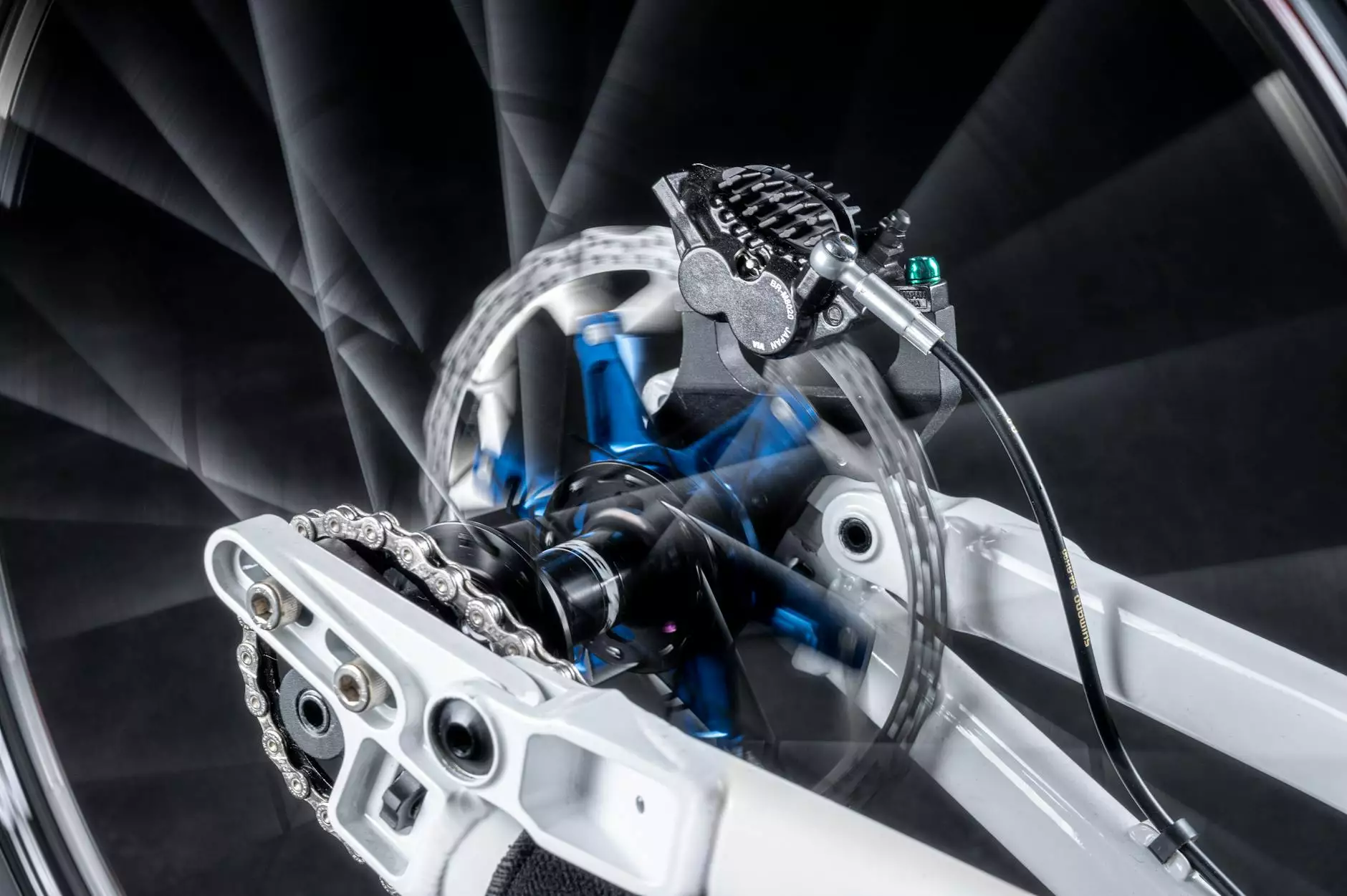
In the realm of automotive safety, few systems are as critical as the brake system of a car. Braking is not just about stopping; it's about doing so safely and effectively. With a solid understanding of how your car's brake system operates, the components involved, and how to maintain it, you can ensure optimal performance and safety on the road. This comprehensive guide will delve into the intricacies of your car's brake system, providing you with everything you need to know.
1. The Importance of the Brake System
The brake system is arguably one of the most vital parts of your vehicle. It allows you to slow down or stop, enabling safe navigation in various driving conditions. Understanding the importance of this system can help you appreciate why regular maintenance is essential.
Key Functions of the Brake System
- Stopping Power: The primary function of the brake system is to reduce the vehicle's speed or bring it to a complete stop.
- Control: Accurate braking gives drivers the control needed to maneuver in tight situations, ensuring safety.
- Stability: A well-functioning brake system helps maintain the vehicle's stability during braking, preventing skidding or losing control.
2. Components of the Brake System
The brake system of your car consists of several components, each playing a vital role in the overall operation. Here’s a detailed look at these parts:
2.1 Brake Pads
Brake pads are crucial for converting kinetic energy into thermal energy through friction. They press against the brake rotors to slow down the car. Regular checks and replacements are necessary to ensure maximum efficiency.
2.2 Brake Rotors
The brake rotors are metal discs that are clamped by the brake pads when braking occurs. Over time, rotors can become warped or worn, affecting braking performance.
2.3 Brake Calipers
- The brake calipers house the brake pads and pistons; they are responsible for pressing the brake pads against the rotors. A malfunctioning caliper can lead to uneven wear of the brake pads and compromised braking ability.
2.4 Brake Lines
The brake lines are vital for transferring brake fluid from the master cylinder to the calipers. They must be free of leaks to ensure proper brake function.
2.5 Master Cylinder
The master cylinder is the hydraulic pump for the system. It generates the pressure needed to operate the brakes. An issue here can lead to total brake failure.
3. How the Brake System Works
The operation of the brake system can be summed up in a few straightforward steps:
- The driver presses the brake pedal.
- This action activates the master cylinder, which generates hydraulic pressure.
- Brake fluid flows through the brake lines to the calipers.
- The pressure from the calipers forces the brake pads against the rotors.
- The friction created slows down the car.
4. Types of Brake Systems
There are two primary types of brake systems found in vehicles:
4.1 Disc Brakes
Disc brakes are common in modern vehicles. They consist of a rotor and caliper and are known for their superior performance and heat dissipation ability.
4.2 Drum Brakes
Drum brakes are less common today but can still be found in some vehicles, particularly older models. They use shoes that press against the inside of a drum to create friction.
5. Signs of Brake Problems
Recognizing the signs of brake issues early can prevent accidents and costly repairs. Here are common warning signs:
- Squeaking or Squealing Noise: Often indicates worn brake pads.
- Grinding Noise: Suggests that brake pads are worn out, exposing the metal backing.
- Soft or Spongy Brake Pedal: May signal air in the brake lines or a fluid leak.
- Vibration or Pulsation: Can indicate warped rotors or imbalanced brake components.
6. Maintaining Your Brake System
Regular maintenance of your brake system is crucial for longevity and performance. Here are some tips:
6.1 Regular Inspections
Schedule regular inspections, especially after long trips or if you notice any unusual symptoms. A professional mechanic can identify potential issues before they escalate.
6.2 Change Brake Pads and Rotors
Brake pads typically need replacing every 30,000 to 70,000 miles, depending on driving style and conditions. Ensure that the rotors are also checked and replaced if necessary.
6.3 Check Brake Fluid
Maintaining the proper level and quality of brake fluid is crucial. If your fluid appears dark or contaminated, consider having it flushed and replaced.
7. Upgrading Your Brake System
For car enthusiasts or those looking for enhanced performance, upgrading your brake system can be a smart investment. Options include:
7.1 Performance Brake Pads
These pads offer better stopping power and less fade under high-stress conditions.
7.2 Slotted and Drilled Rotors
This type of rotor helps with better heat dissipation and improved braking performance.
8. Conclusion
Your car's brake system is fundamental to your safety on the road. By understanding its components, how it functions, and the importance of regular maintenance, you can ensure that your vehicle remains in optimal condition. For all your auto parts needs, including top-quality brake components, visit imautoparts.com today. Stay safe, drive smart, and maintain your braking system regularly to enjoy a worry-free driving experience.
brake system car