The Power of Storyboarding Online: A Creative Edge for Your Business
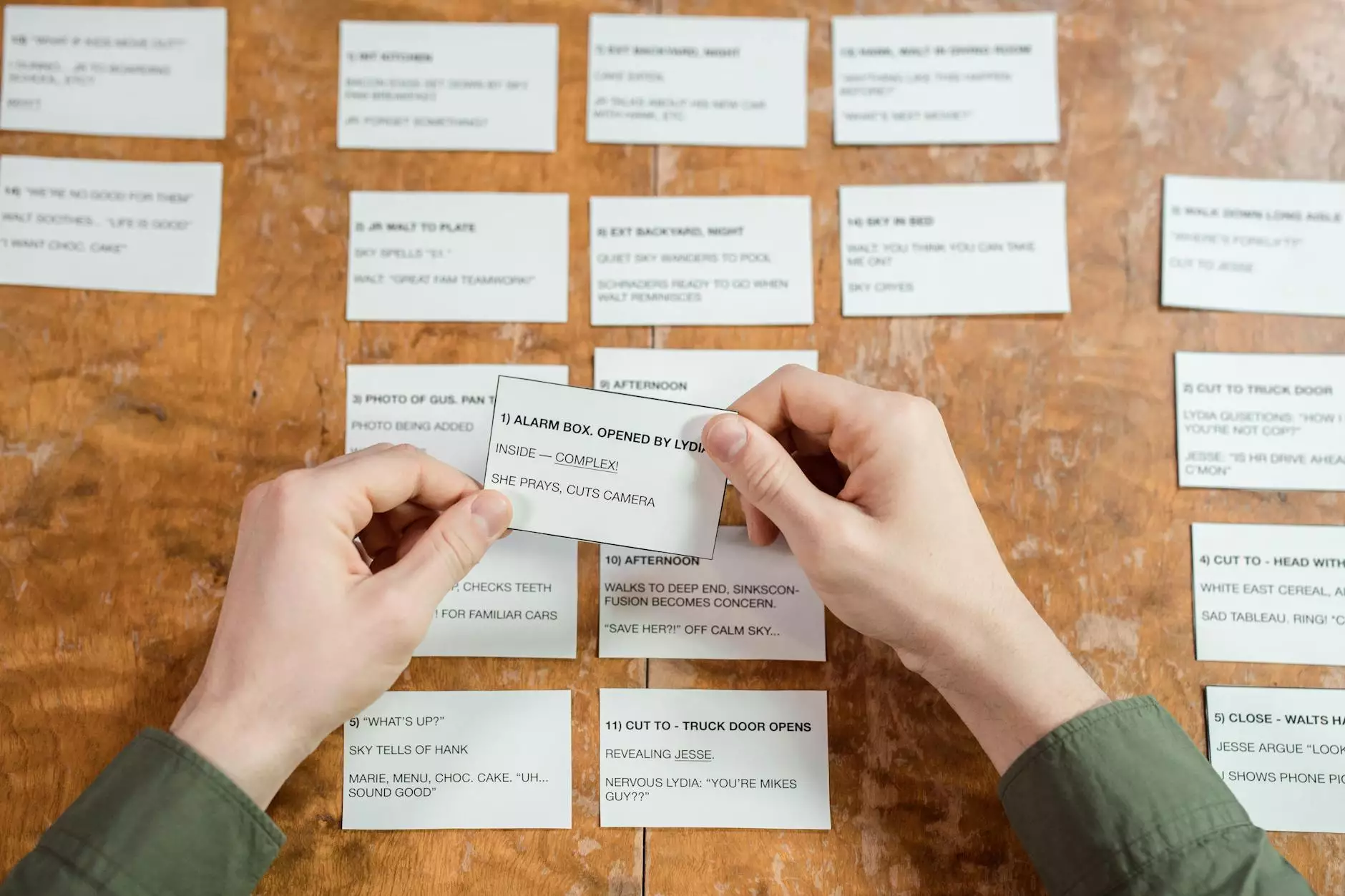
In today's fast-evolving digital landscape, the effectiveness of visual storytelling can determine the success of your projects. Understanding how to leverage storyboarding online can be the difference between a good concept and a great one. At Krock.io, we delve into the art and science of online storyboarding, particularly within the realms of graphic design and web design.
What is Storyboarding?
Storyboarding is a visual representation of a sequence of events, typically employed in film, animation, and advertising. This technique helps artists, directors, and designers plan scenes and narratives effectively. But its utility stretches far beyond traditional media; in the realm of business and digital content creation, storyboarding serves as a strategic tool to visualize ideas before execution.
Why Use Storyboarding in Business?
Businesses today are vying for attention in an increasingly crowded market. With limited time and resources, it’s essential to communicate ideas clearly and effectively. Here’s why storyboarding online is crucial for any business:
- Enhances Clarity: A well-structured storyboard outlines the flow of information, ensuring that everyone involved understands the project's direction.
- Facilitates Collaboration: Team members can provide input on visual elements, making adjustments before diving into the full-scale design process.
- Saves Time and Resources: By identifying potential pitfalls and refining concepts early on, businesses can avoid costly reworks later in the design phase.
- Improves Engagement: Visually compelling storyboards can capture attention quickly, making them ideal for pitches to clients or stakeholders.
The Key Elements of Effective Storyboarding
Creating an effective storyboard involves several critical components. When focusing on storyboarding online, consider the following elements:
1. Define Your Objective
Before you begin sketching your storyboard, clearly define what you want to achieve. Whether it's launching a new product, creating an informative video, or designing a website, understanding your goal will steer your storyboard's layout and content.
2. Identify Your Audience
Knowing your audience is crucial. Tailor your storyboard to resonate with their interests and needs. This may influence the style, tone, and complexity of your visuals.
3. Establish a Narrative Flow
A coherent narrative is vital for your storyboard. Use a combination of textual descriptions and visuals to illustrate the sequence of events. Each frame should logically lead to the next, guiding your audience through the narrative landscape.
4. Visualize Key Moments
Select essential moments that represent the core of your story. Illustrating these pivotal scenes with sketches, images, or even written cues helps emphasize the emotional or informational weight of those moments.
5. Incorporate Feedback Loops
Incorporating feedback is vital in the storyboard process. Share drafts with team members to gather insights and improve your design's effectiveness. Using online tools for storyboarding can streamline this feedback process.
Tools for Online Storyboarding
Several tools are available that make storyboarding online an interactive and enjoyable experience. Here are some top recommendations:
- Storyboard That – A versatile platform that offers customizable templates and a drag-and-drop interface to create storyboards easily.
- Canva – Known for its design capabilities, Canva also provides storyboard templates suitable for beginners and professionals alike.
- MindMeister – This mind-mapping tool allows users to brainstorm and visually organize their storyboards through mind maps.
- Boards – A user-friendly application that enables real-time collaboration and feedback on storyboard drafts.
Integrating Storyboarding into Your Graphic and Web Design Projects
When integrating storyboarding online into graphic and web design projects, here’s how you can proceed for optimal results:
1. Start with Wireframes
Wireframing is the bridge between storyboarding and final design. Begin by creating wireframes that outline the basic structure of your website or graphic piece, then layer in details as you refine your storyboard.
2. Align Visual Elements with Storyboard Frames
Ensure that the visual aspects of your designs correlate directly with your storyboard. This means utilizing colors, fonts, and images that align with the story elements you’ve outlined.
3. Employ User-Centric Design Principles
Your storyboard should always keep the user experience at the forefront. Map out how users will interact with your design, showcasing key user journeys in your storyboard.
4. Test Different Scenarios
Utilizing your storyboard, create different scenarios that might occur. This can help anticipate user interactions and refine the design accordingly, leading to a more robust final product.
Case Study: Successful Businesses Using Online Storyboarding
Several companies have effectively utilized storyboarding online to enhance their projects. Here are a couple of compelling examples:
Case Study 1: Tech Innovations
Tech Innovations, a startup focusing on app development, implemented storyboards to visualize each app screen during its development phase. By doing so, they were able to identify user interface pitfalls early in development, ultimately leading to reduced time-to-market and increased user satisfaction.
Case Study 2: Creative Solutions Agency
Creative Solutions, a digital marketing agency, uses online storyboarding for client pitches. By presenting a visual journey of their proposed campaign through storyboards, they have consistently increased their conversion rates by demonstrating clear, engaging narratives that resonate with potential clients.
Best Practices for Using Storyboarding Online
To make the most out of storyboarding online, follow these best practices:
- Keep it Simple: Avoid cluttering your storyboards with excessive details. Focus on the essential elements that communicate your message.
- Update Regularly: As projects evolve, so should your storyboard. Keep it updated to reflect any changes in the project scope or direction.
- Incorporate Multimedia Elements: Online storyboarding tools often allow the inclusion of audio and video snippets. Utilize these to enrich your storyboard and provide a more immersive experience.
- Stay Open to Changes: The beauty of storyboarding lies in its flexibility. Be willing to adapt and modify your storyboards based on feedback and new insights.
Conclusion: Unlocking Potential with Storyboarding Online
Incorporating storyboarding online into your business's graphic and web design processes can unlock vast potential for creativity and efficiency. By streamlining communication, enhancing collaboration, and saving valuable time and resources, storyboarding can propel your projects to new heights. At Krock.io, we specialize in helping businesses harness this powerful tool. Let your ideas flourish through the clarity and innovation that online storyboarding offers today!